Lots of schools are operating in an increasingly tough financial environment. They’re expected to deliver high-quality educational provision in a safe, healthy environment with tightening budgets. This, in turn, means that additional funding is becoming more and more important. Grant funding is one way to obtain supplementary funding, but sometimes the process can seem confusing.
So, who provides grants and where do you start?
There are many organisations in the UK that offer grants to schools, and each will have its own aims, criteria, objectives, and guidelines, which will explain the kinds of projects they will fund.
What is a Grant?
A grant is an amount of money that is awarded for a specific purpose. You are not required to pay a grant back, but you are likely to be required to provide evidence to show how it has been spent and confirm that it has delivered what you specified when you applied for it.
Grants are available from the Government, charities, trusts, foundations, and other organisations such as The National Lottery. The criteria for each grant will be different – some will be specific to education, sports, or community initiatives and the amounts will vary. There is often a requirement for you to match the funding that is offered by the grant.
So, if you can spend £10,000, for example, they will offer a grant of £10,000.
Here’s an example:
The Institute of Mathematics has announced that individuals working in secondary schools, Colleges of Further Education (FE) and Higher Education Institutes (HEIs) can apply for a grant to help with the costs of running or attending an educational activity relating to mathematics. A budget of £6,000 has been earmarked for this scheme and will be split equally between Schools/Further Education and Higher Education. Grants will be made up to a value of £600.
What does a school grant let you do?
Grants are highly beneficial and enable you to undertake projects that you otherwise could not afford. You could use your grant to purchase items, services, or resources, including:
- Computer equipment
- Covered multi-use games areas
- Books or textbooks
- SEND education resources
- Sports equipment and resources
- Outdoor canopies or shelters
- Further professional development for staff
- Improving school grounds or facilities
- School trips
- Creating a nature area
- Setting up and running a breakfast club
- International school collaboration
- Science equipment and projects
- Travel to specific events or institutions
- Tree planting
- Improving school playgrounds
- & plenty more
Plenty of schools might want to invest in a brand new canopy, but find that they don’t have the funds to cover it. There are plenty of educational projects that will need funding to fully turn their idea into a reality. That’s where a grant can really transform your school.

The pros and cons of grants for schools
 Pros
Pros
- Grants do not need to be paid back
- There are many different grants available
- Grants can offer large sums of money
- Grants can sometimes be repeated
- Grants may be available for your specific kind of activity
Cons
- Grants may have strict criteria
- Grants are all individual so writing tailored applications can be time-consuming
- There may be a matched funding requirement
- Grants usually only cover projects which are yet to start
- Grants applications can take months to be reviewed
Tip:
If you can’t find a grant to suit your project, look for a project that suits a grant! You may already have allocated budget for something for which grant funding is available, can you claim this and redirect the allocated budget to your initial idea?
Selecting the right grant for your project
Where to look for school grants
If you enlist specialist help for identifying, managing, and applying for funding, it isn’t normally free. However, the cost of doing so isn’t prohibitive and could be money well invested.
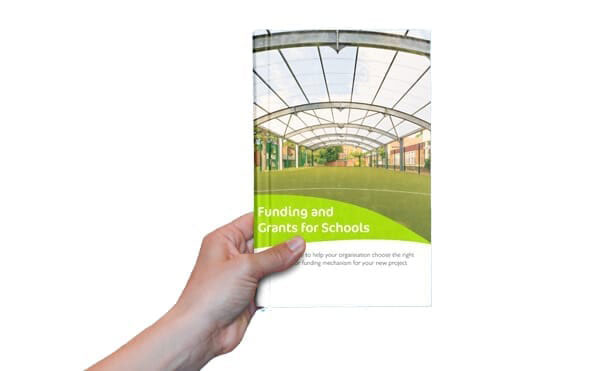
Providers like FundEd offer time-saving toolkits and databases with available funding listed by curriculum or interest area. Subscription service funding directories can also be useful as they act as centralised information resources which allow you to search for relevant grants and funding sources. Grants4Schools, for instance, provides a regularly updated directory of grants from a variety of sources. Our monthly Funding and Grants for Schools guide is a great starting point and covers a wide range of grant-awarding bodies.
How to select the right grant
Give consideration to the following:
- Check criteria and ascertain suitability
- Pick up the phone and talk to them! Ask for honest feedback before you apply
- If you need to amend your project to suit their grant, choose another grant provider
Example
The Tesco Bags of Help Grant website covers all of the key grant information including how does it work, who is eligible to apply, what type of projects will be funded, matched funding requirements and how to submit an application. If you still have questions, talk to the grant providers. Their role is to find and fund suitable applicants, so they are usually very helpful!
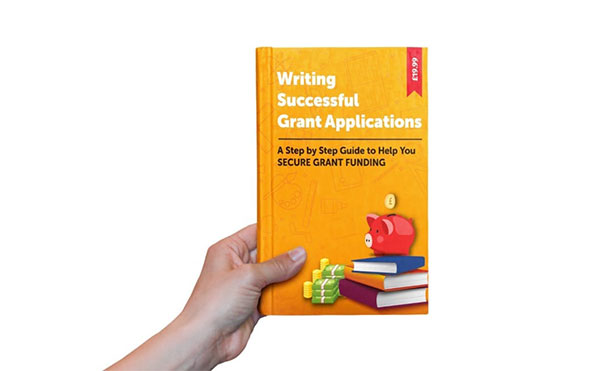
Writing a Successful Grant Application
- Assign the right person from your organisation – Designate a responsible person who has the time and resources to deliver the grant application.
- Define and agree your project internally – As a team, you will need to be clear on the objectives and scope of your project before you will be able to communicate to the grant provider. Consider the project as a story, and show the difference that it will make to the real lives of pupils, teachers, and parents.
- Set objectives, outputs, and outcomes – Use clear, concise language and ensure that financial information is detailed and robust.
- Drill down further – Think through the reasons for your project as this will provide you with information that you may need to include in your application. Think of these questions:
- What does the end result look like?
- Why are you doing it?
- Who will be involved in delivering it?
- When are you planning to deliver it?
- Where will you complete the project?
- How will you complete the project?
Submitting your application
Once your application has been submitted, everyone will be keen to receive a decision. Know how long the grant provider will take to make a decision so that you can manage expectations internally within your organisation.
Before you hit submit, take some tips from this checklist:
Checklist
- Are you certain your project meets the funder’s criteria and that you can demonstrate how it supports the type of work they fund?
- Don’t be afraid to ask them directly; they want to help!
- Do you have all the approvals you need from your leadership team?
- Are there any barriers still to overcome, such as planning permission?
- Do you know who will work on the project, and does your leadership team understand and accept the nature of the tasks involved and the time commitments required?
- Have you checked your cost and time estimates with a trusted supplier?
- If you need to provide quotes, do they support the amounts you are seeking from the funder?
- Is the amount of money you require within the limits set by the funder?
- We’ve got plenty more tips… Get in contact with us for more advice
If your application is successful…
Celebrate and congratulate those who helped you with the application process! Now you can start planning and begin your journey – it was all worth it!
If your application is rejected…
Try to get some feedback from the grant provider as to why your application was unsuccessful. This will help you with further applications, and it might be that they suggest a small amendment and ask you to resubmit it. Whatever they say, try to remain positive. There will be a suitable grant out there for you, and each application is a step towards a better learning journey.
Got more questions? For tailored support, get in touch with our team.
























 Pros
Pros Cons
Cons